
What is the difference between air-over-oil and electro-hydraulic actuators?
2026-06-22 Blog
The distinction between air-over-oil and electro-hydraulic actuators is significant for industrial applications. These actuators serve different purposes depending on the operational requirements. Air-over-oil actuators utilize compressed air to move hydraulic fluid, offering simplicity and cost-effectiveness. Electro-hydraulic actuators, however, rely on electric motors to drive hydraulic pumps, providing higher precision and control.
Both types are valued in industries like oil, gas, and manufacturing. Understanding their differences helps in selecting the right equipment for specific tasks. This article explores the key differences between these two types of actuators, aiding in informed decision-making for industrial projects.
The focus is on practical applications and performance characteristics. Each section provides clear insights into the unique features of air-over-oil and electro-hydraulic actuators. This information is essential for procurement and engineering professionals. The discussion is tailored to meet the needs of industrial stakeholders, ensuring relevance and clarity. Transitioning between sections ensures a logical flow of information, enhancing readability and comprehension.
Each point is presented in a straightforward manner, avoiding technical jargon. The aim is to provide actionable knowledge for professionals in various industries. Below, the differences between air-over-oil and electro-hydraulic actuators are examined in detail. The analysis covers performance, efficiency, and application suitability. These factors are critical when choosing the appropriate actuator for a job.
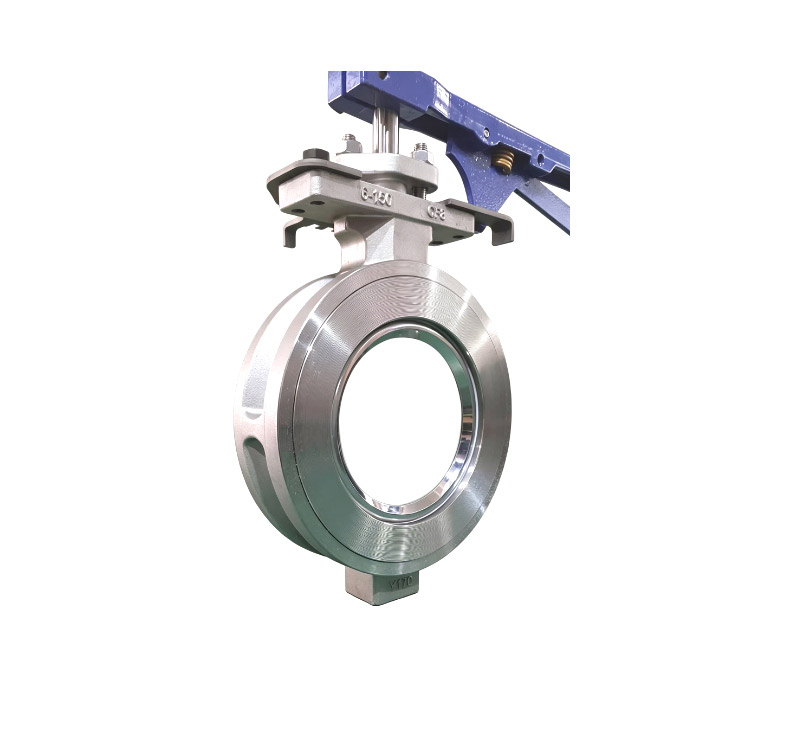
Let us delve into the specifics to better understand each type of actuator. The first aspect to consider is the operating mechanism. Air-over-oil actuators use compressed air to generate motion, while electro-hydraulic actuators use electric motors. This fundamental difference affects their performance and efficiency. The simplicity of air-over-oil actuators makes them ideal for less demanding applications.
Electro-hydraulic actuators, on the other hand, offer greater precision and power. The choice between the two depends on the specific needs of the project. The second aspect is efficiency. Air-over-oil actuators are generally more energy-efficient for basic tasks. They require less maintenance and have lower upfront costs. Electro-hydraulic actuators provide higher efficiency for complex operations. They can handle heavy loads and precise movements with ease. The efficiency of each type varies based on the application. The third aspect is control.
Electro-hydraulic actuators offer superior control due to their electric-driven design. They can be integrated into automated systems seamlessly. Air-over-oil actuators provide less precise control but are sufficient for simpler tasks. The level of control needed depends on the job requirements. The fourth aspect is durability. Both types of actuators are built to withstand harsh industrial environments. Air-over-oil actuators are known for their robustness and reliability. Electro-hydraulic actuators are designed for longevity and performance.
Durability is a key consideration for long-term use. The fifth aspect is cost. Air-over-oil actuators are typically more affordable. They require minimal investment and maintenance. Electro-hydraulic actuators have higher initial costs but offer long-term savings. The cost-effectiveness of each type varies over time. The sixth aspect is application suitability. Air-over-oil actuators are best for light to medium-duty tasks. They are commonly used in manufacturing and automation. Electro-hydraulic actuators are suited for heavy-duty and precision applications.
They are found in industries like aerospace and automotive. The right choice depends on the specific job requirements. In summary, air-over-oil and electro-hydraulic actuators have distinct advantages. The choice between them hinges on operational needs, efficiency, and cost. Understanding these differences ensures the selection of the most appropriate actuator for the task. Industrial professionals should weigh these factors carefully.
The right actuator enhances performance and productivity. This article provides a clear comparison to aid in decision-making. By considering the outlined aspects, the right choice can be made. The goal is to optimize equipment selection for industrial applications. In conclusion, both types of actuators serve critical roles in industrial settings. Their differences lie in performance, efficiency, and cost. Selecting the right actuator ensures optimal operation and longevity. Industrial stakeholders are encouraged to use this information wisely.
The right choice leads to improved performance and cost savings. This guide serves as a resource for making informed decisions. The distinction between air-over-oil and electro-hydraulic actuators is crucial. Each type offers unique benefits for specific applications. The right selection enhances productivity and efficiency. Industrial professionals should consider all factors carefully. The goal is to achieve the best results for the intended use.
By understanding these differences, better decisions can be made. This article provides a comprehensive overview for informed choices. The right actuator contributes to successful industrial projects. The focus on practical applications ensures relevance for industrial needs. This information is valuable for procurement and engineering teams. The aim is to provide clear insights for effective decision-making.
The distinction between air-over-oil and electro-hydraulic actuators is significant. Each type has its place in industrial operations. Selecting the right one ensures optimal performance and reliability. Industrial stakeholders are encouraged to use this guide. The right choice leads to successful project outcomes. This article serves as a resource for making informed decisions.
Contactez-nous
Adresse : Bureau 203-1, 2e étage, bloc A, n° 9, rue Xinqin, district de Xinwu, ville de Wuxi, province du Jiangsu, République populaire de Chine
Téléphone portable : 0086-188-5271-7918
Email:william@wxaccton.com
Site web : www.actuator-china.com