
Cet actionneur peut-il être utilisé pour un fonctionnement modulé ?
2026-06-18 Blog
The versatility of actuators in industrial applications is a topic of frequent inquiry. One critical question that arises is whether a specific actuator can be utilized for modulating service. This article delves into the capabilities and limitations of actuators in modulating applications, providing insights for industry professionals. The discussion is tailored to address the needs of procurement managers, supply chain leaders, and engineering companies in sectors such as oil and gas, petrochemicals, and industrial automation.
Understanding Modulating Service Requirements
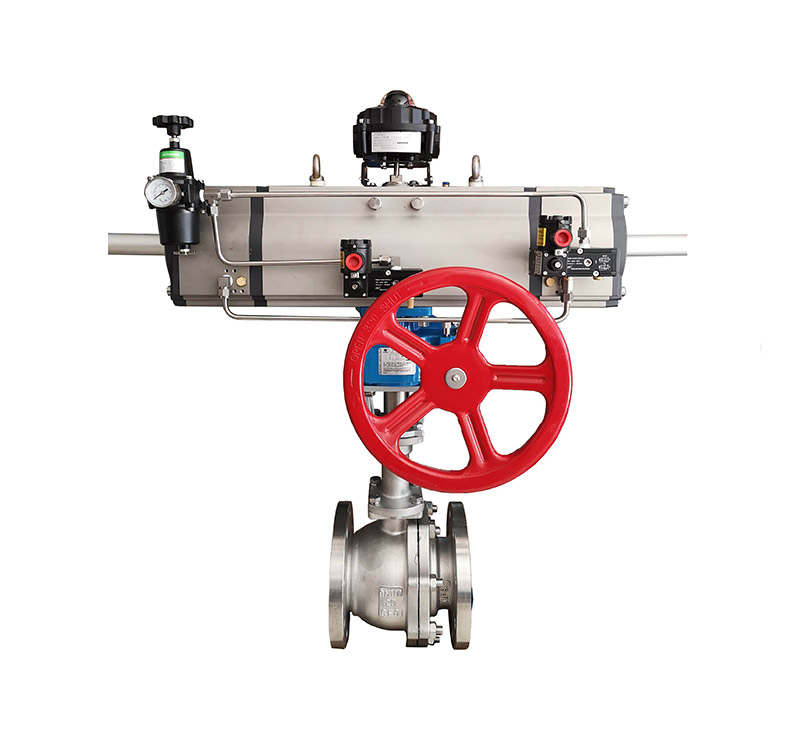
Modulating service refers to the ability of an actuator to adjust its output gradually in response to changing demands. This functionality is essential for processes requiring precise control, such as temperature regulation or flow management. When evaluating an actuator for modulating applications, several factors must be considered. The actuator must exhibit smooth operation, minimal hysteresis, and reliable response times. Additionally, it should be compatible with the system’s control mechanisms.
Actuator Types Suitable for Modulating Applications
Not all actuators are designed for modulating service. However, some models are specifically engineered to meet these demands. Electric actuators, for instance, offer high precision and are often used in automation. Pneumatic actuators are another option, providing fast response times and robust performance. The choice depends on the application’s specific requirements, including environmental conditions and load characteristics.
Performance Considerations for Modulating Actuators
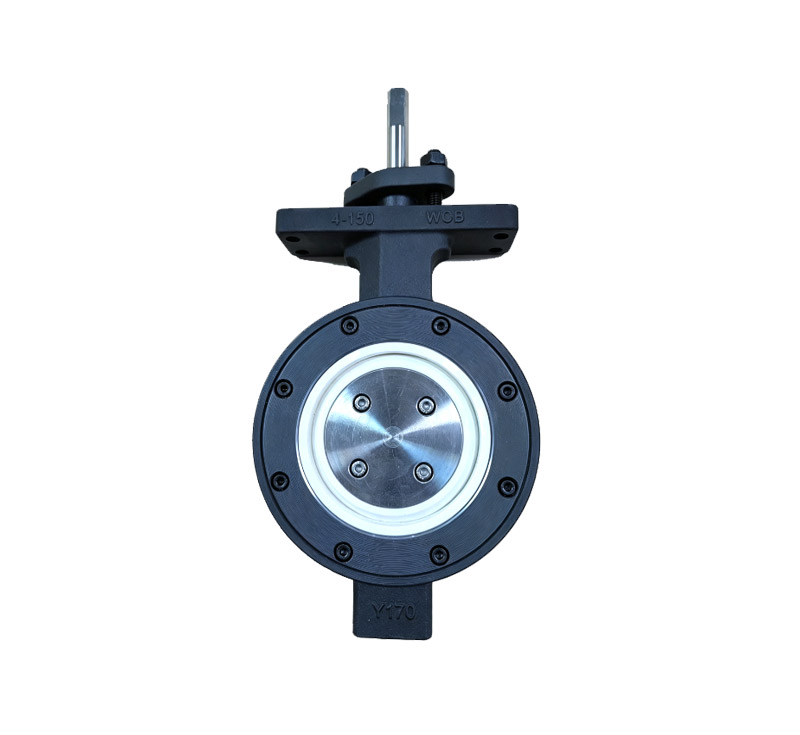
For an actuator to excel in modulating service, certain performance criteria must be met. First, the actuator should maintain consistent torque across its operating range. Second, it must handle dynamic loads without excessive wear. Third, the control system must ensure accurate positioning. These factors collectively determine the actuator’s suitability for modulating applications.
Integration with Control Systems
The integration of modulating actuators with control systems is crucial. The actuator must communicate seamlessly with the system’s PLC or DCS. Protocols such as Modbus or Profibus are commonly used for this purpose. Proper integration ensures that the actuator receives accurate commands and operates within the desired parameters.
Case Studies in Modulating Applications
Several industries have successfully implemented modulating actuators. In oil refineries, for example, electric actuators are used to control valves in Petrochemical processes. Similarly, in water treatment plants, pneumatic actuators regulate flow rates. These case studies highlight the practical benefits of modulating actuators in real-world scenarios.
Conclusion et proposition de valeur
In summary, the question of whether an actuator can be used for modulating service depends on its design and performance. By selecting the right actuator and ensuring proper integration, industries can achieve precise control and operational efficiency. For businesses in sectors like oil and gas or industrial automation, investing in high-quality modulating actuators is a strategic decision. The insights provided here aim to guide procurement and engineering professionals in making informed choices.
Contactez-nous
Adresse : Bureau 203-1, 2e étage, bloc A, n° 9, rue Xinqin, district de Xinwu, ville de Wuxi, province du Jiangsu, République populaire de Chine
Téléphone portable : 0086-188-5271-7918
Email:william@wxaccton.com
Site web : www.actuator-china.com