
What type of grease is used in the actuator?
2026-07-16 Blog
Introduction to Actuator Grease
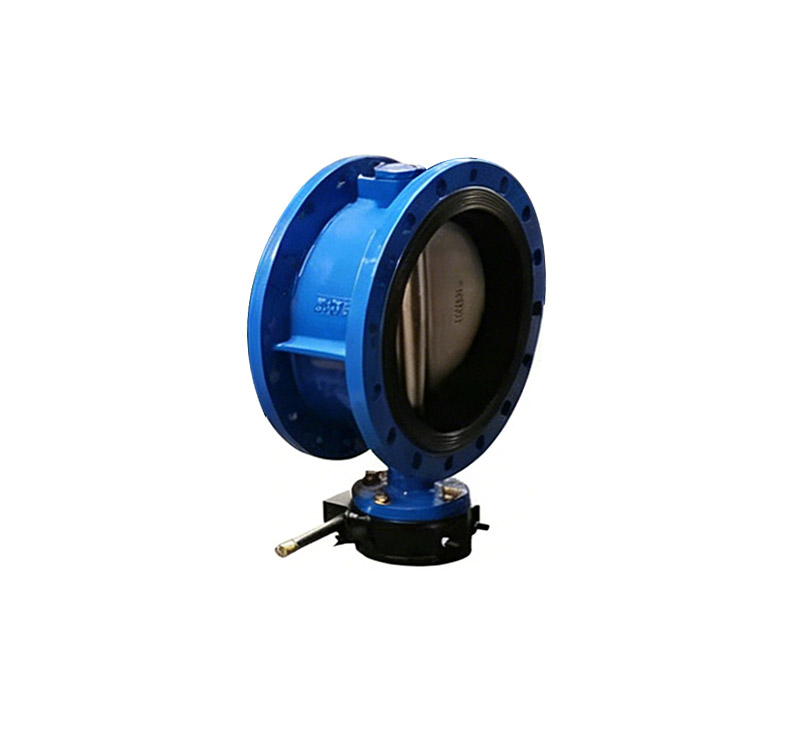
The grease used in actuators plays a critical role in ensuring smooth operation and longevity. Proper lubrication is essential for reducing friction and wear. Different environments and applications require specific types of grease. Understanding the right grease for an actuator is vital for maintaining performance. This article explores the types of grease commonly used in actuators and their benefits. The focus is on industries such as oil, gas, chemical, and manufacturing.
Importance of Correct Grease
Using the wrong type of grease can lead to premature failure of the actuator. The grease must be compatible with the materials used in the actuator. Temperature ranges and pressure conditions also influence the choice of grease. High-quality grease ensures reliable performance in harsh conditions. Regular maintenance with the correct grease extends the actuator’s lifespan. This is particularly important in industries where downtime is costly.
Common Types of Actuator Grease
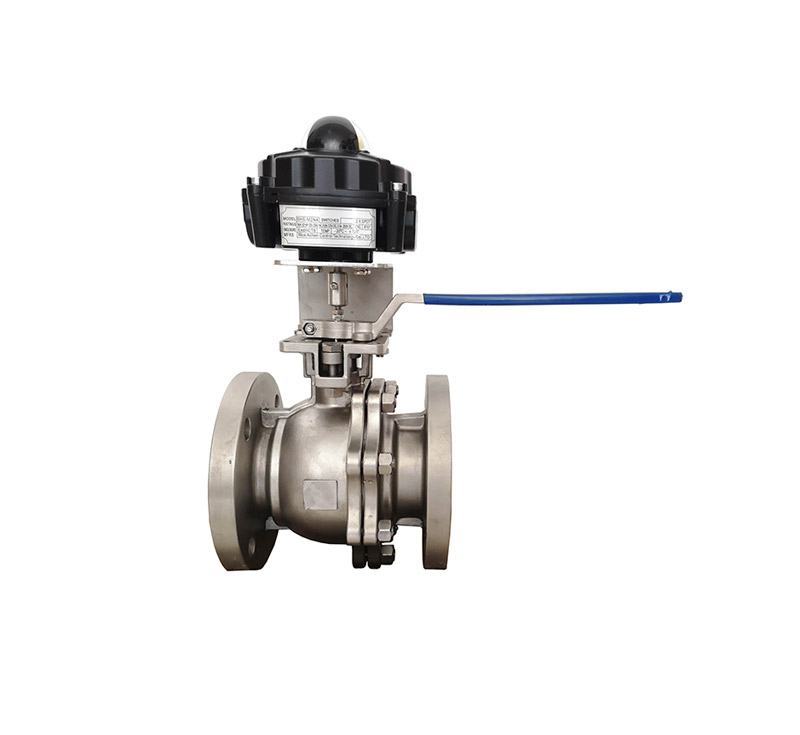
Several types of grease are commonly used in actuators. Lithium-based grease is widely preferred for its stability and durability. It performs well in a variety of temperatures. Synthetic greases offer superior performance in extreme conditions. They are ideal for high-pressure applications. Silicone greases are another option, especially for non-metallic parts. Each type has its advantages depending on the use case. Choosing the right grease ensures optimal actuator function.
Application Considerations
The operating environment affects grease selection. Wet or corrosive conditions require water-resistant grease. High-temperature environments demand high-temperature greases. The actuator’s design also matters. Some actuators are sealed, while others require regular lubrication. Following the manufacturer’s recommendations is crucial. This ensures the grease meets the actuator’s needs. Proper application techniques also contribute to long-term performance.
Maintenance Practices
Regular maintenance is key to actuator longevity. Replacing the grease at recommended intervals prevents issues. Contaminants can degrade grease quality. Cleaning the actuator before re-lubrication is essential. Using the correct amount of grease avoids over-lubrication. Over-lubrication can cause leakage and other problems. These practices help maintain consistent performance and reliability.
Conclusion
Selecting the appropriate grease for an actuator is critical. It ensures smooth operation and extends the actuator’s life. Different industries have unique requirements. Understanding these needs helps in making the right choice. Proper maintenance practices further enhance performance. By following guidelines, businesses can avoid costly downtime. Investing in quality grease is a wise decision for long-term success.
Contactez-nous
Adresse : Bureau 203-1, 2e étage, bloc A, n° 9, rue Xinqin, district de Xinwu, ville de Wuxi, province du Jiangsu, République populaire de Chine
Téléphone portable : 0086-188-5271-7918
Email:william@wxaccton.com
Site web : www.actuator-china.com